
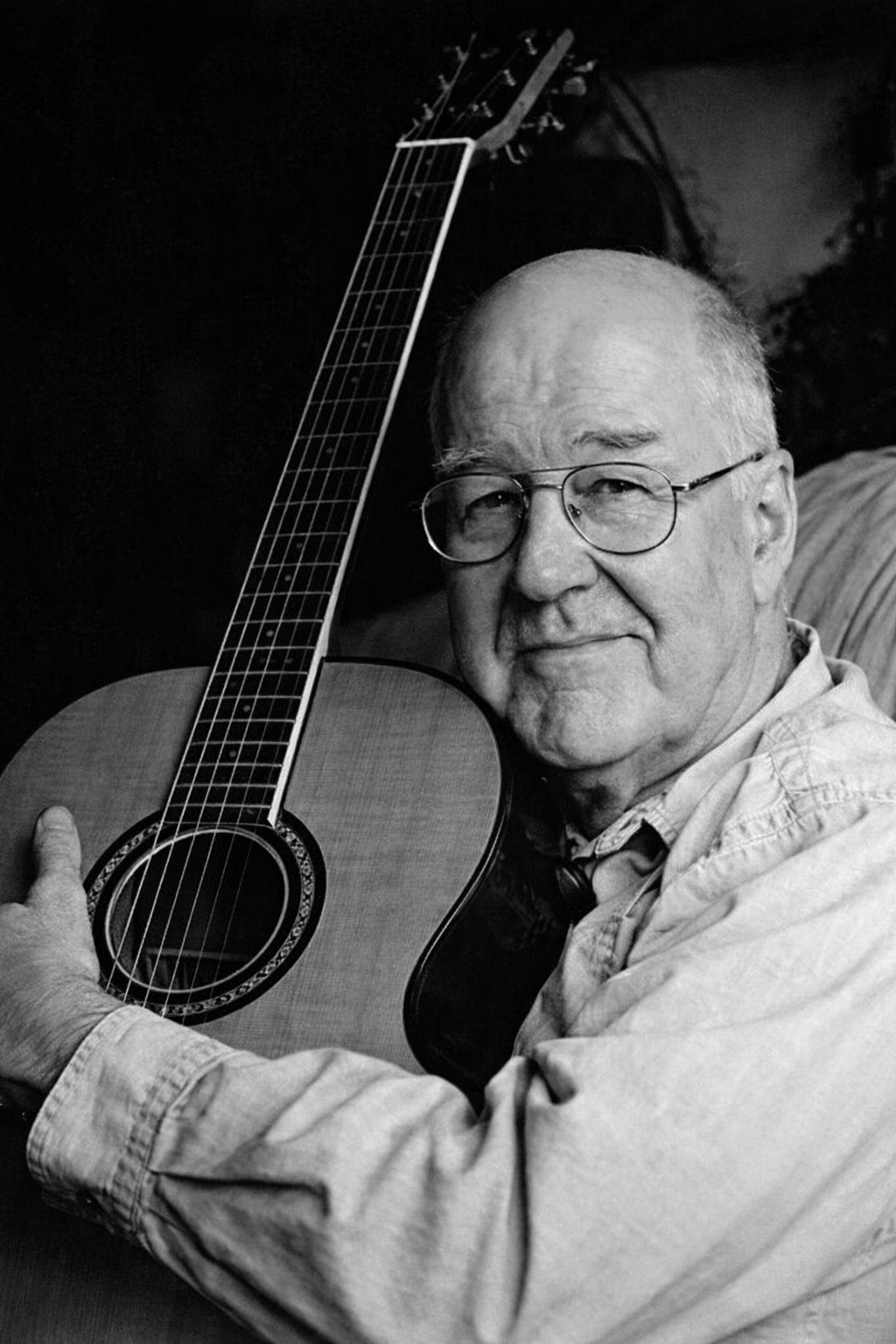
Harvey Andrews
Some folk careers are built on spectacle. Others are built on truth. Harvey Andrews’ life in
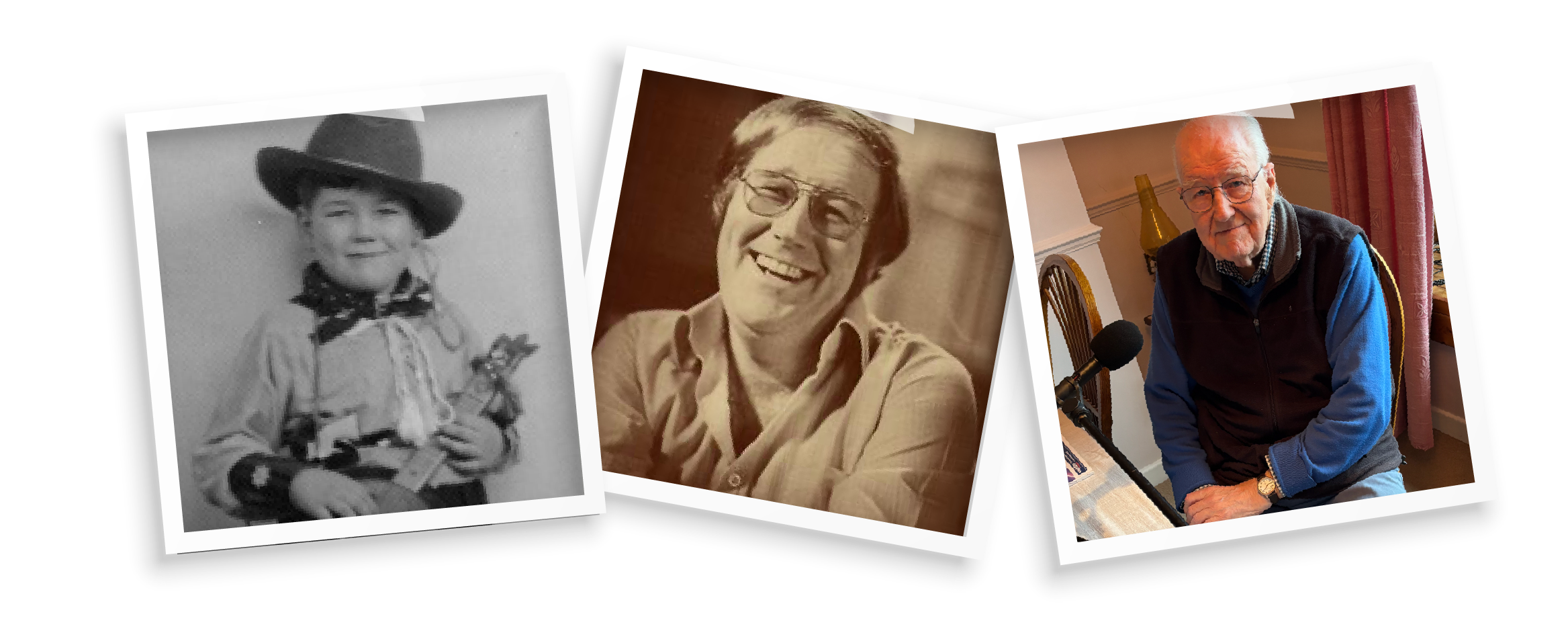
Some folk careers are built on spectacle. Others are built on truth. Harvey Andrews’ life in music belongs firmly to the latter.

When Harvey first stepped into the folk scene in the mid-1960s, he did so with the quiet certainty of someone willing to take a risk. Leaving behind a secure career in teaching, he chose instead to follow songwriting – a decision shaped not by ambition, but by instinct. As Harvey recalls, he could always return to the classroom if it didn’t work out. What followed, of course, was a body of work that would become deeply woven into the fabric of British folk.

From early performances at clubs like the Jug O’ Punch to his first recordings, Harvey’s journey was one of steady discovery. He jokes freely about the “dreadful” songs he wrote in those early days, yet one piece – Harvest of Hate – marked a turning point. In that moment, Harvey realised he wasn’t just performing songs; he was becoming a songwriter.

The decades that followed were prolific. With more than sixteen albums to his name, Harvey’s catalogue is remarkable not just for its size, but for its consistency. These were albums filled almost entirely with original material – songs shaped by social conscience, historical observation, humour, and deeply human empathy. Tracks like Hey Sandy, Soldier,Cheeky Young Lad and Lot 204 didn’t simply entertain; they asked listeners to pay attention.

Alongside his solo work, Harvey’s partnership with Graham Cooper became legendary. Together, they toured widely, supported major acts like Focus and even opened for The Kinks. Their album Fantasies from a Corner Seat remains a treasured favourite for many – a perfect balance of wit, warmth and musical precision. Those performances, remembered fondly by audiences and fellow musicians alike, were defined by an effortless connection and a shared understanding of songcraft.

Yet Harvey’s story is not without challenge. Songs like Soldier sparked fierce reactions, leading to bans, lost bookings, and even mention in the House of Commons. For Harvey, this was simply part of writing honestly. Folk, after all, has always been a place where uncomfortable truths find a voice.

Later in life, Harvey turned to writing in another form. His books – Gold Star to the Ozarks and A Writer of Songs – offer a deeply personal account of growing up, coming of age, and navigating the folk revival from the inside. Together, they complete the picture of an artist who never separated life from art.

When Harvey eventually retired, he did so with the same clarity that guided his career. The guitar was put away, the songs complete. Looking back, there was no sense of unfinished business – only gratitude for a life lived fully, honestly, and on his own terms.
Harvey Andrews’ legacy isn’t just found in recordings or books. It lives on in the singers he influenced, the audiences he moved, and the simple truth that a well-written song can still change the room.
In this very special episode of Keep Folk Talking, Brian Jones sits down with one of his lifelong heroes, the songwriter and storyteller, Harvey Andrews. From the moment he took a leap of faith from the classroom into the folk revival of the 1960s, Harvey reflects on a career shaped by conviction, melody and an unflinching honesty. Across memories of iconic songs, packed clubs, touring with Graham Cooper, and moments that shook audiences – and even Parliament – Harvey shares how stories heard, lives witnessed and beliefs held became songs that still resonate today. It’s a conversation rich with humour, humility and deep reflection on a life lived fully in song.