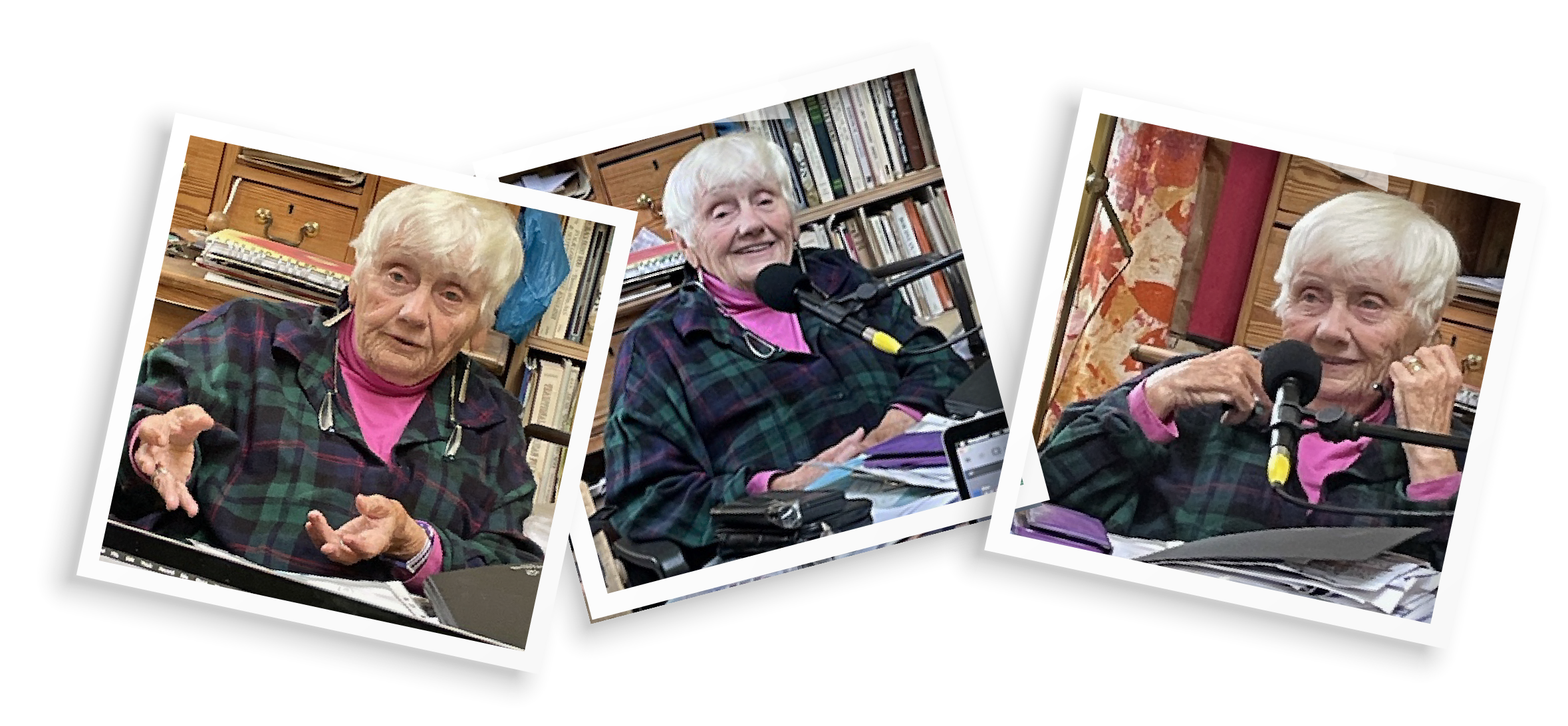
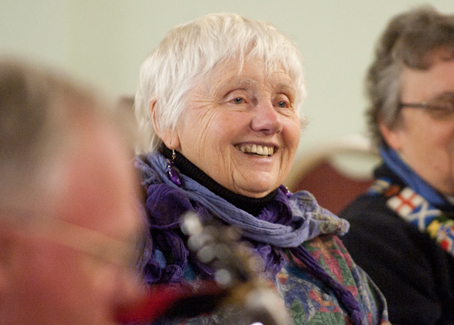
Jacqueline Mcdonald
Every folk club has its stories, but few have a history as colourful and heartfelt

Every folk club has its stories, but few have a history as colourful and heartfelt as the one shaped by Jacqueline McDonald. Her journey began unexpectedly in Leeds, when missing a bus led her to a free concert featuring The Weavers. That accidental moment ignited a lifelong passion for folk music and eventually guided her to Liverpool’s thriving scene.
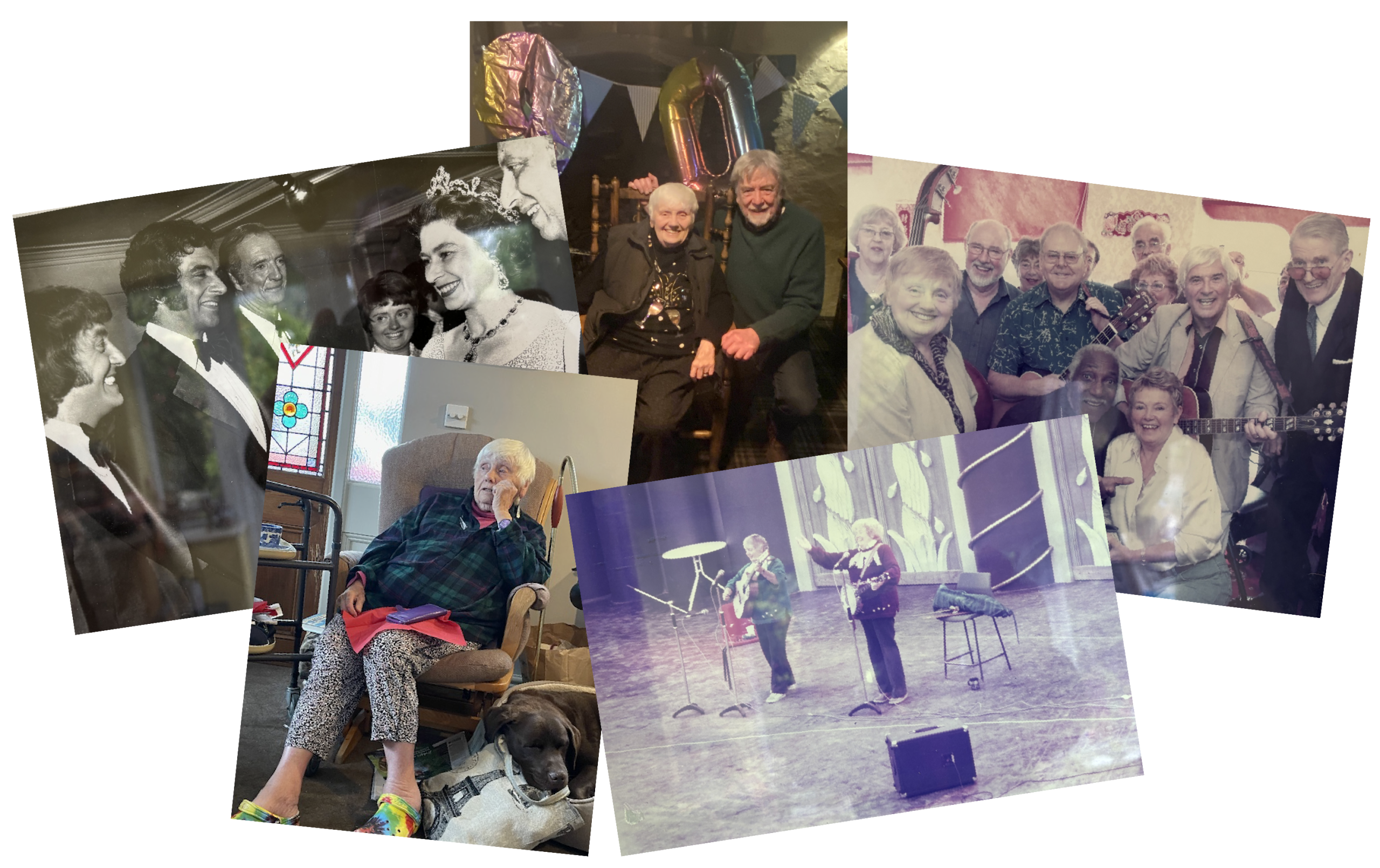

After moving to Liverpool for college, Jacqui soon found herself immersed in the local folk world. She joined The Spinners for over three years, gaining invaluable experience before forming a lasting partnership with Bridie O’Donnell. Together, they created something truly special.

Jacqui and Bridie moved into an old coach house with a curved ceiling and plenty of character – even horse stalls downstairs. What began as informal gatherings quickly blossomed into a full folk club.
The first attendee famously arrived carrying his stamp collection, thinking “folk” meant people, not music. Soon after, the room was bursting with 110 singers crammed into every corner.

When the Coach House could no longer hold the crowds, the club moved to the Domestic Mission in Mill Street. Unlicensed and family-friendly, it became a rare space where grandparents, children, dock workers, nurses, students and newcomers all joined their voices together.
The magic wasn’t only on stage – it was in the audience harmonies that filled the room with warmth and belonging.

Over the years, the club hosted an extraordinary roll call of guests: Barbara Dixon, Tom Paxton (his first British folk club), Peggy Seeger, Jean Richie, Phil Ochs, whose song There But For Fortune became a beloved closing number
Jacqui and Bridie’s rendition of that song, supported by the powerful audience chorus, remains one of the club’s most cherished memories.

In 1964, Jacqui and Bridie set sail for North America. What was meant to be a six-week adventure turned into six transformative months. They played in Greenwich Village, performed at the Mariposa Festival with some of folk’s biggest names, and stayed with Jean Richie, who helped them build connections and secure work across the U.S. and Canada.

Jacqui has written around fifteen songs over the years, several with Bridie. Some have been recorded by artists including Ken Dodd and Nathan Carter, who first attended her folk club at the age of seven. These songs – and the stories behind them – continue to ripple through the folk community today.

More than anything, Jacqui’s legacy lies in the welcoming space she created.
Her clubs weren’t just venues — they were communities built on kindness, humour and the shared joy of singing.
Her influence continues to inspire musicians and audiences alike, ensuring that the spirit of Liverpool folk music carries on for generations.