
Letter from Llandrover
I live in a tiny Welsh village. Let’s call it Llandrover, (pop 400), to protect both innocent and
I live in a tiny Welsh village. Let’s call it Llandrover, (pop 400), to protect both innocent and guilty. Saint Drover was the Celtic patron saint of SUV’s and 4×4’s.
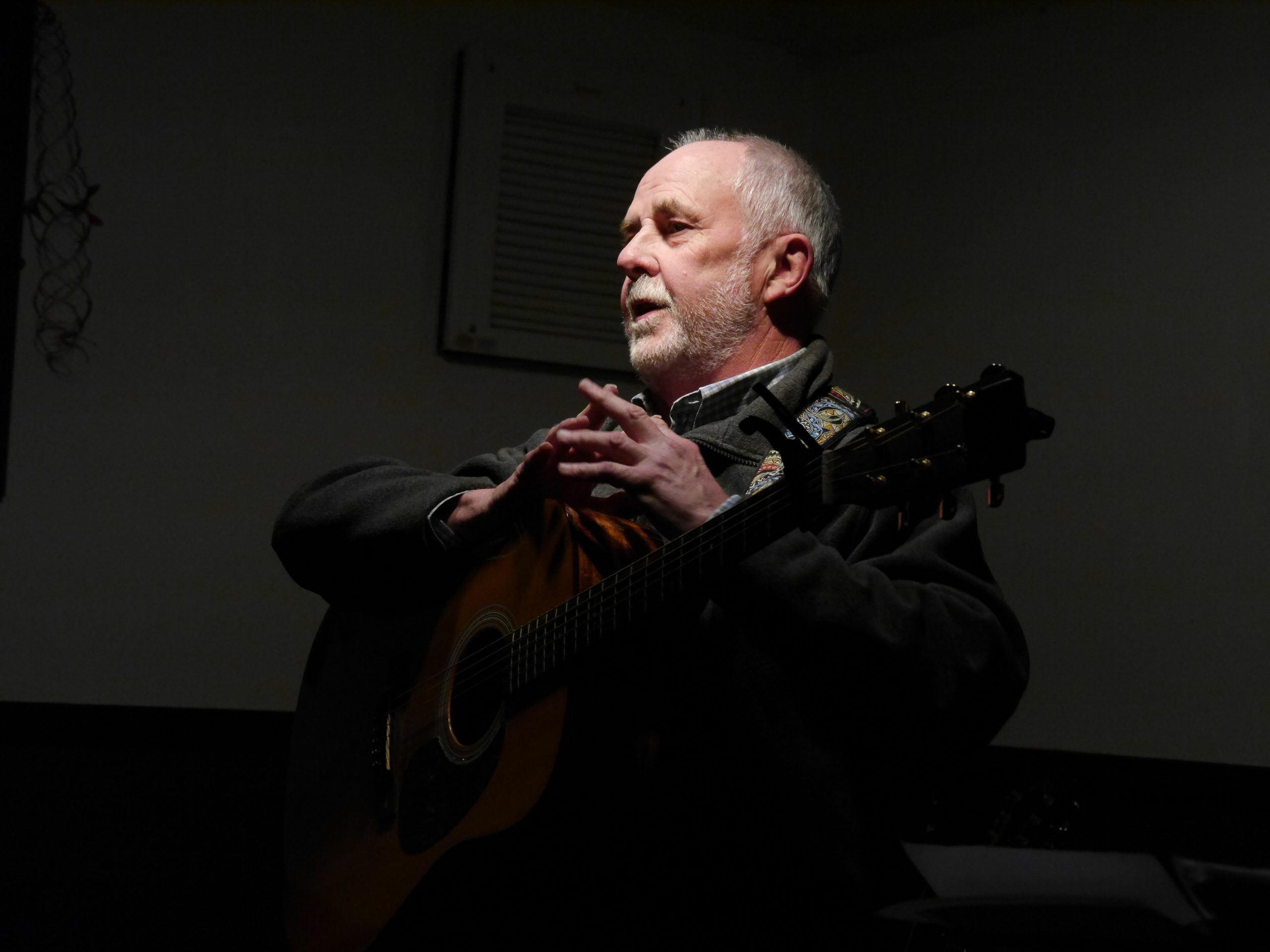
My wife Kath and I have run an ‘all styles’ music club up here for the past 15 years Over those years it has changed venue three times, mutated from a full on, pub hosted, Monday night folk club, (chairs in rows, artists out front, regular paid guests), to a winter’s monthly sing around, in the village hall, on a Sunday afternoon. Here, some twenty of us, average age 70, I guess, sit in a circle, often in freezing temperatures, for two or three hours, drink tea, knock out the occasional song, but mostly discuss the weather and the NHS. All’s packed away by 6pm and we’re off to finishing off the roasters and settling down to Counryfile or the Antiques Road Show.
TALENT AND MEMORIES
from miles around
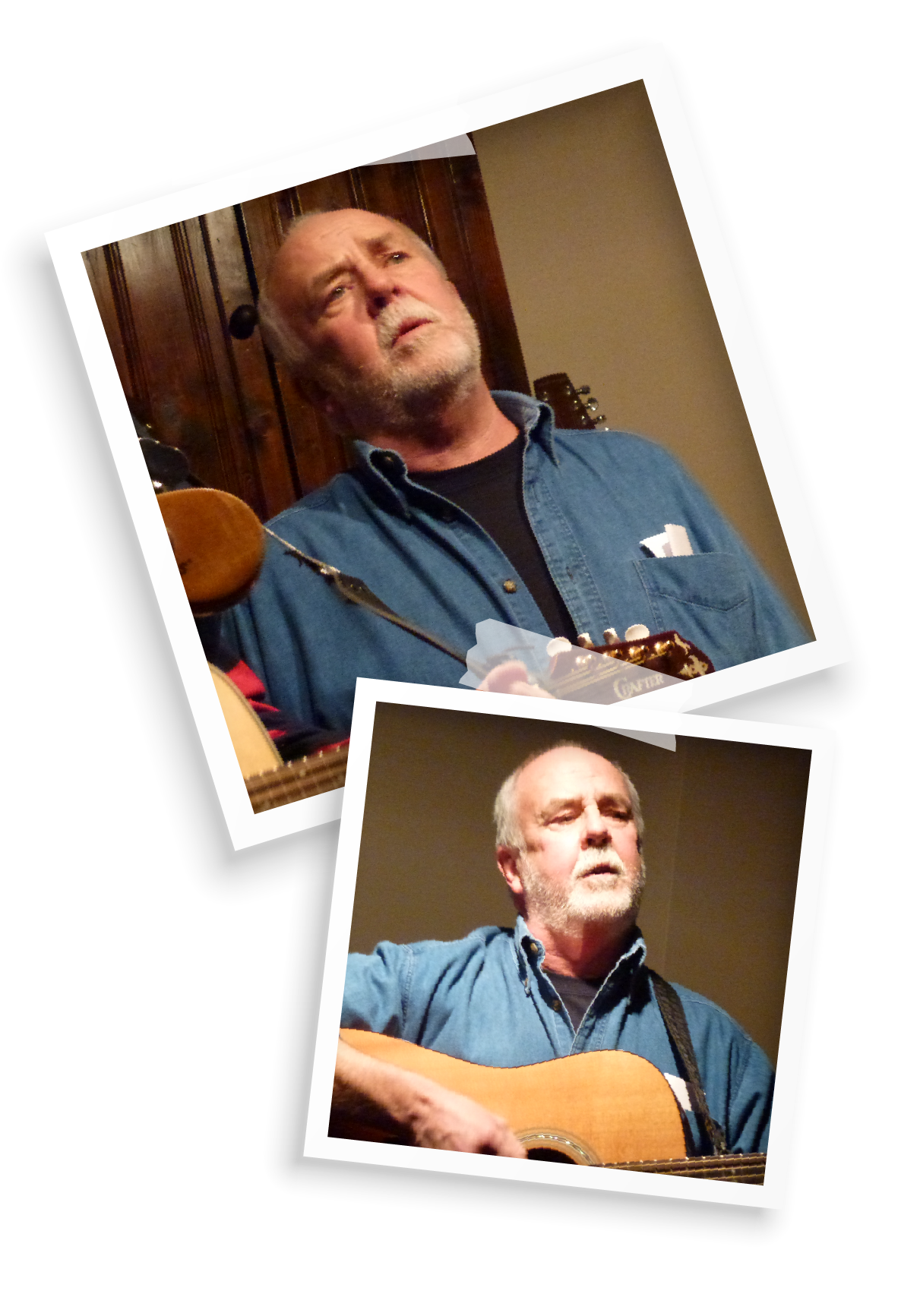
We’re a mixed bunch. The regulars – guy with a cittern, doing death and destruction stuff, another giving note perfect James Taylor covers on a magnificent D28, (hate him!), a lady harpist, another playing early music on an array of ancient and modern wind instruments, accompanied by a Dean fretless electric bass, (magic!). Two virtuoso blues artists add to the list, plus a semi-pro four piece, offering Americana and more, (imagine the Baker Street saxophone solo on the harmonica and you’re almost there). And there are more occasionals, too many to mention. The interesting thing is that over half don’t live in the village and come from 10, sometimes 20, miles away. The amazing thing is that I can reach out to another half dozen such events within a ten mile radius. In the down time and there’s lots of that – you may only get two songs in three hours, there’s time to let the mind wander and I often compare this C21st scene with that of the mid 6o’s, when I first got involved in this business.
Then, almost every pub and there were a lot more pubs, had a sixty seat function room somewhere, available and often free for the asking. The EFDSS folk directory offered a myriad of solo artists and bands working the circuit. Five bob entry and a healthy raffle of a Folk Heritage LP would bring in enough to fund a weekly guest and a monthly singers night. The local Uni, Poly, teachers training college contingent, supplemented the equally fresh faced, youthful local enthusiasts to the extent they were usually queuing on the stairs when you got there to open up.
So that’s where we were and this is where we are, but I always end up speculating where we might be going.
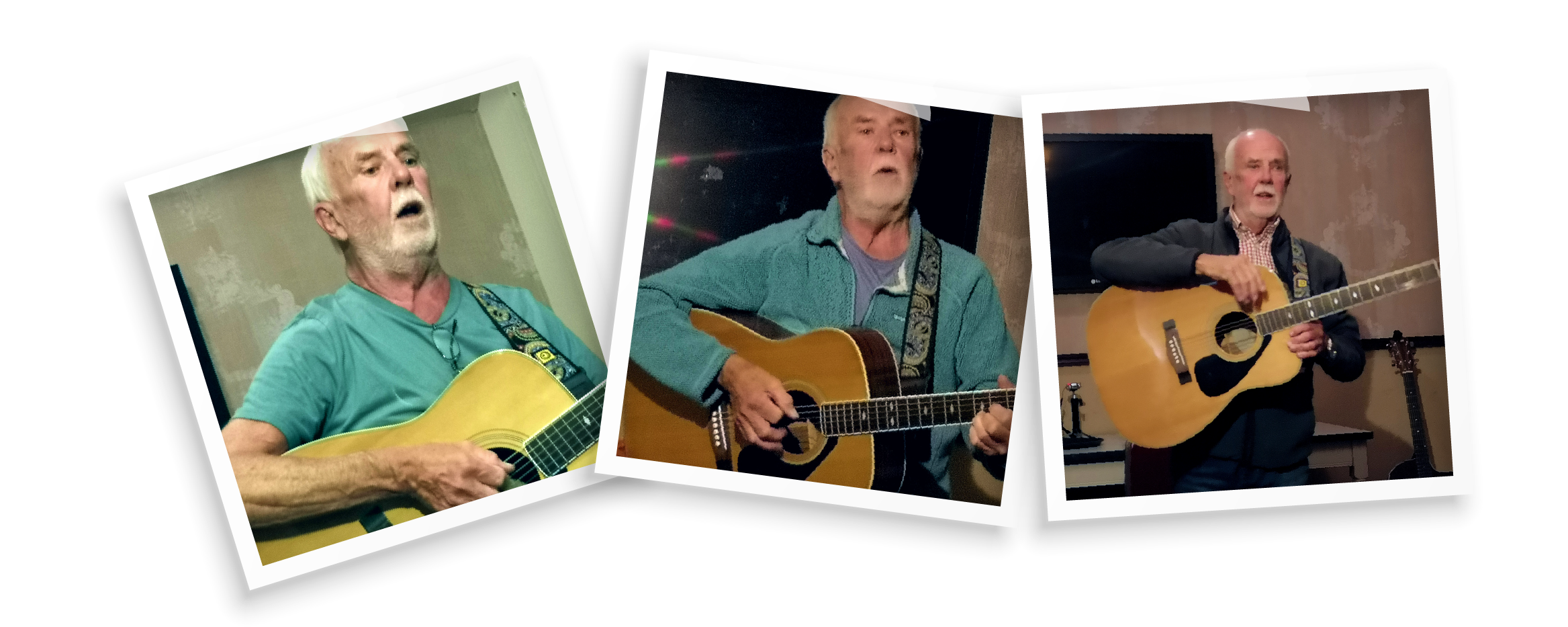
The one thing in common with our little sing around, with the the pub clubs that still soldier on and festivals from Sidmouth to Stornaway, is the demographics of it all. When you step out on stage you’re confronted, as far as you can see, by a sea of grey. Financially secure, time rich, baby boomers, anxious to re-live their youthful memories. Admittedly, there will be a smattering of youth – reluctant grandchildren and the friends of the amazingly talented new wave of young musicians, rapidly replacing the revival stars of the 60’s, in the line up. But are these potential successive audiences sufficient in number to sustain the ‘traditional business model?’
‘QUO VADIS?‘
Brian Jones welcomes Barry Evans – folk club organiser, festival co-founder, and master of the mic – for a rich and entertaining conversation. From a first folk night at The Loft near Wolverhampton in 1968, to running Chester’s Bull and Stirrup club and helping bring Scottish legends like Barbara Dickson and Archie Fisher to the North West, Barry shares a sharp, funny and deeply affectionate look at the scene that shaped his life. With stories of straw-bale singalongs, three-phase power ploughing, and velvet-cloaked concertina players, this is a heartfelt tribute to the heyday of the clubs – and to the joy of keeping folk talking.