Sue Farley & Eric Craven
Sue Farley & Eric Craven

Early days
1959-1966 Piano lessons from 7yrs-15yrs firstly with Miss Hilda Dold then Miss Ellen Shaw. These years were also excellent grounding for me in music theory.
Always in the school choir, from 11yrs -18yrs and sang every Speech Day at Philharmonic Hall.
Church choir till 16yrs
1969
First guitar. I was 17. I was in the Lower 6th form and John Moore (who all the girls fancied) was in Upper 6th.He played the guitar with his friend and together with my friend Pam Bower we sang in a little group. I sang ‘The Olive Tree’ at the old folks’ Christmas party that we put on and he accompanied me on guitar.
Me and Pam Bower then sang a couple of times together – one location was the Marlborough Road Allotments Club in Tuebrook. I carried my guitar to the club with no case, no strap and no music stand. I wore a pink dress that I’d worn for my cousin’s wedding. We sang Dirty Old Town, Scarborough Fair and South Australia. No-one listened and we forgot the words anyway!
Still in 1969
Listening to BBC Radio Merseyside one evening, I heard a plea from Mike Gamble who was asking for musicians to go and sing on his programme. It wasn’t Folk Scene – I can’t remember the name though I’m sure it’s in the archives somewhere. I rang up – (imagine!) then me and Pam went on the bus (guitar with no case, strap or music stand, remember) to Commerce House in Sir Thomas Street where Radio Merseyside was stationed at that time. We sang ‘South Australia’ in a key that was far to high so it sounded quite operatic!! I still have the cassette tape – my mum recorded when the programme went out -but nothing to play it on any more.
Musical influences – The Spinners, Simon & Garfunkel, Steeleye Span
In the early 80s I picked my guitar up again and began experimenting with writing songs. My dad ran an OAP club and often asked me to go and ‘give the old folk a song’ So off I’d go with my guitar (no case, no strap etc) and sing a little programme of a mix of folk type songs for them.
Member of Knowsley Choral Society and sang lots of choral music. I then did A Level music in my 30s
With my musical experience, along with a classically trained pianist, I directed The Knowsley Singers for just over 20 years – roughly 1984-2006. This 25 strong mixed choir performed at Masonic, Soroptomist and charity events (including Lord Mayor) singing mainly middle of the road music such as school folk songs, Gilbert & Sullivan and songs and arias from the shows. We also sang at lots of weddings where the music was very different, of course. Although I was condustor, I still included myself in the programme and sang solos at each event to ‘keep my hand in’
The Knowsley Singers naturally morphed into a smaller group (people dying, moving away) and we started a seven piece group called Allegro, singing similar type of music. My brother John Owen joined this group and we introduced guitars side by side with piano. Our pianist then had to stop playing so we naturally progressed into just using guitars. Seven then became four (John Owen, Patricia Ward and myself with Angie Owen on bodhran) and Vocal Point was born. We made 2 CDs – ‘Lead Me To A Brighter Day’ and ‘Closer To The Ocean’ Patricia Ward left the group and we made our third CD – ‘Journey To The Sea’
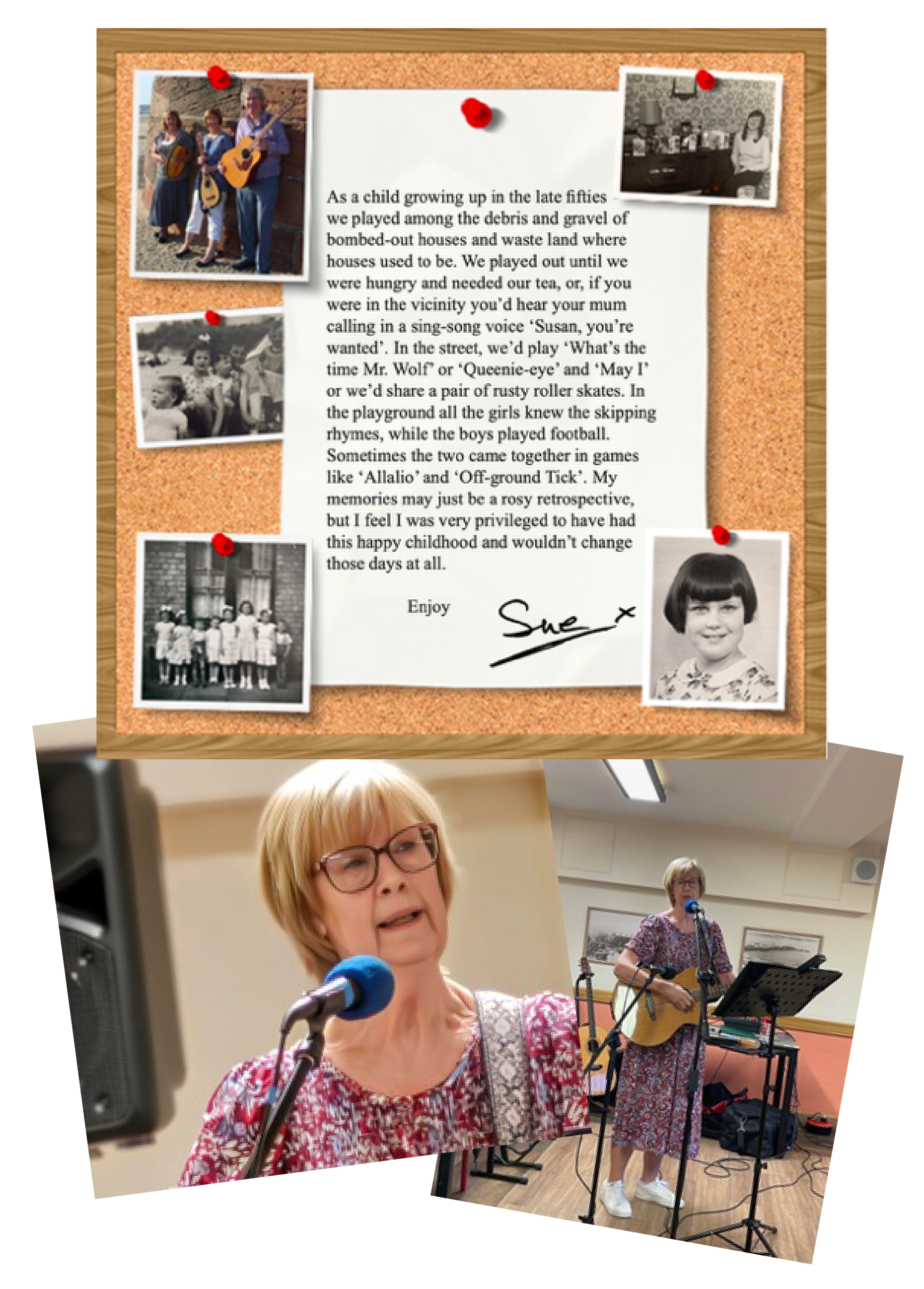

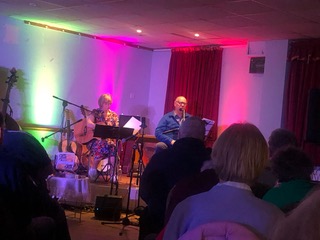
John was setting up the Hungry Horse folk club at that time at The Rake, Little Stanney, so I started to go there every Thursday. One of the first artists I saw was John Wright, who sadly passed away far too soon in 2008 at the age of 61. Then my early love of folk music was renewed I suppose, when I started seeing artists like Allan Taylor, Tanglefoot from Canada, Martin Carthy & Chris While & Julie Matthews. When John & Angie started the Wirral Folk Festival, which ran for 15 years, I was on the committee and wasresponsible for typing up the programme. It was a lot of hard work but very enjoyable. The festival was halted by Covid and never re-emerged, though John & Angie now present Wirral Acoustic concerts and the committee still stands.
Choral music is also very much still at the heart of what I do – I am choir leader at St. John’s church, Knotty Ash and play the organ there. I take part in the major choral works (Handel’s Messiah, Mozart Requiem, Faure Requiem etc) every year at The Prescot Festival, not far from where I live.
I am now very happy to write my own songs; I like to write songs about a thing, person, place or event eg The Wreck of the Royal Charter, Old Mother Redcap, The Tale of Richard Tilley, The Balloch Burn, Childhood Games, rather than more abstract songs like feelings or emotions. I very much prefer the traditional style.
(Oh, and now I have a guitar case, strap and music stand!)

I was born in 1953. I am semi-retired from education where I was headteacher of three special schools and latterly I was one of His Majesty’s Inspectors of Schools. I now mainly spend my time supporting headteachers of special schools (a couple of days a month on average), cheering on Liverpool FC and writing poems. The extensive writing I did as a headteacher and a school inspector certainly helped me to write, but not creatively; that came much later.
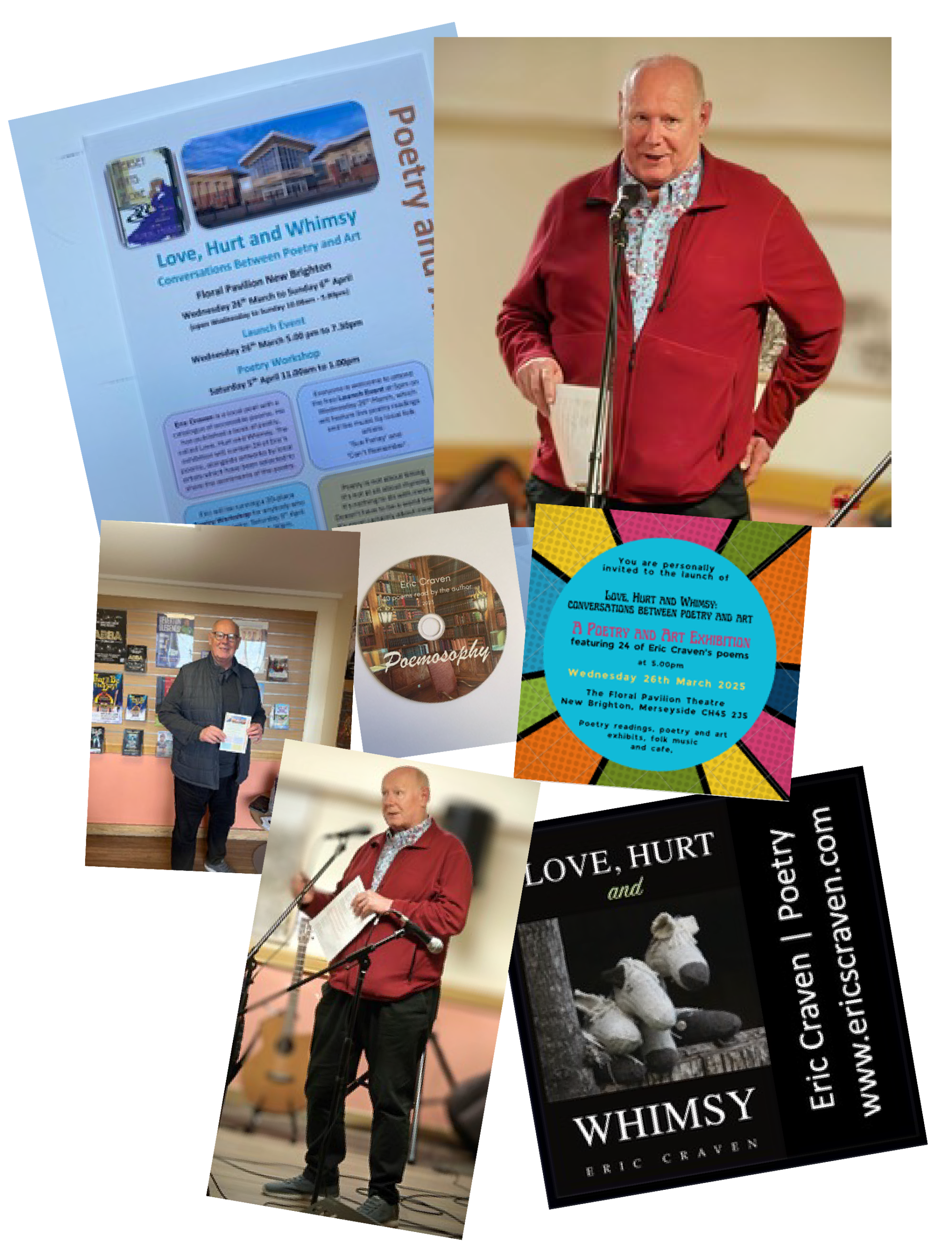
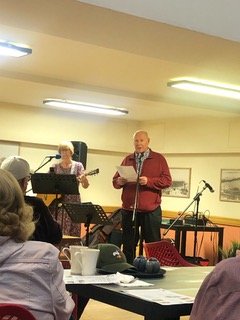
Many things changed because of the pandemic and consequent lockdowns. One of those things was the massive increase in on-line communications, notably Zoom. Having visited the Hungry Horse Folk Club in Whitby, near Ellesmere Port, a couple of times in the past, I was interested to see that the club was continuing its weekly get-togethers for musicians and poets on Zoom. In December 2020 I began to watch those evenings. I was a member of the audience to begin with. The poetry some members read aloud really stimulated me. I took the opportunity after a few months to read aloud a poem or two myself. I read aloud poems by Roger McGough, Adrian Henri and Brian Patten, the three well-known Liverpool poets from the 1960s. I especially liked their whimsical poems. I also read aloud poems by Shel Silverstein who wrote the likes of a Boy Named Sue and Sylvia’s Mother – a very creative man indeed. On 22nd April 2021, I read aloud the first poem that I’d written a few days before. It was called Redundant in the Kitchen. It went down well, and it was like the firing of a starting pistol for my creativity to start flowing. I couldn’t stop writing poems and I have continued to this day. As I write I’ve written 499 poems. I’m somewhat anal about keeping records and I have a spreadsheet of all the poems I’ve written and where I’ve read them aloud.
I find I write a lot of poems about the future and the past. I suspect it’s an age thing. People say the poems are observations of life and I think that’s true for lots of them. A few are quite simply love poems.
I’ve read aloud a lot of my poems to the long-suffering members of the Hungry Horse Folk Club and also a couple on BBC Radio Merseyside. A friend told me about the Upload Service for local artists and musicians the BBC was hosting. I uploaded three poems to Radio Merseyside in June 2021 and then got a call from a researcher asking me to go on the air live during the Jermaine Foster show a few days later. I was encouraged to talk about how I had begun to write poems as well as reading them aloud. I have to say that gave me a real boost and strengthened my desire to keep writing poetry.

I had a poetry book published in December 2023 by Austin Macauley Publishers, Called Love, Hurt and Whimsey. I’ve produced a CD of 40 poems, read aloud by myself, called Poemosophy. I also had a 10-day exhibition of my poetry at the Floral Pavilion in New Brighton in March 2025.
I tend to write my poems by keeping a journal of ideas and notes as they occur to me and then I’ll use these to create poems. I write early in the morning when no one is around. Helpfully my car enables me to use my voice to create an entry for my electronic calendar. This means when ideas or first lines from poems occur to me if I’m driving and I can still capture them immediately.

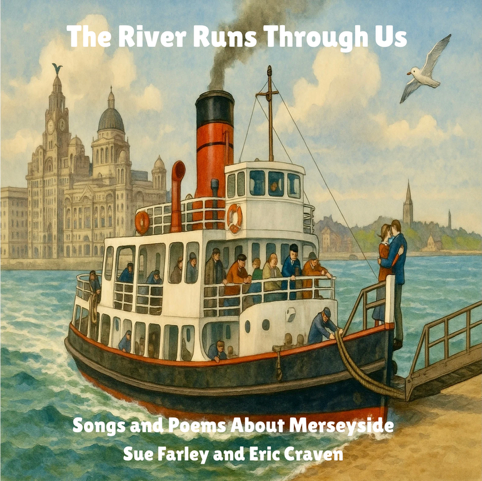
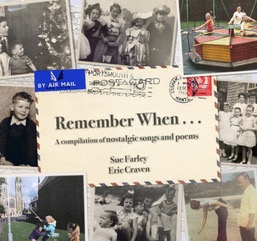
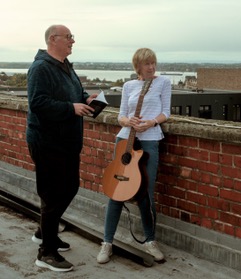
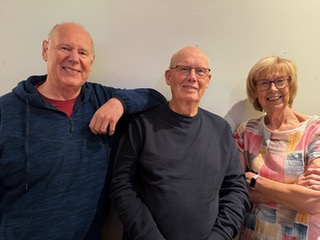
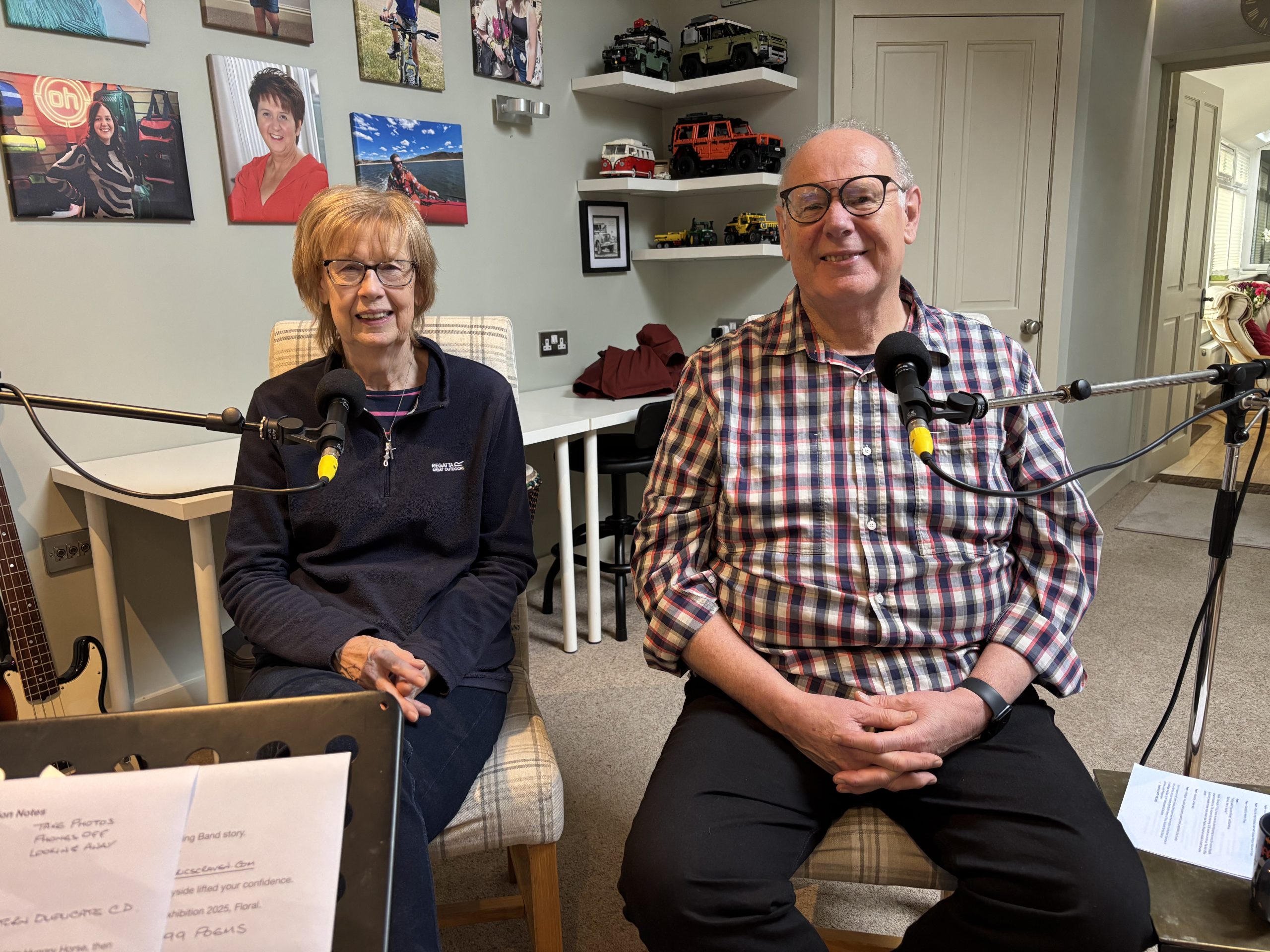
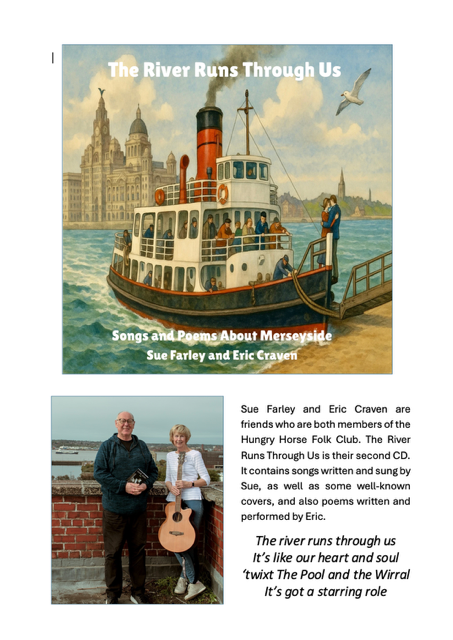
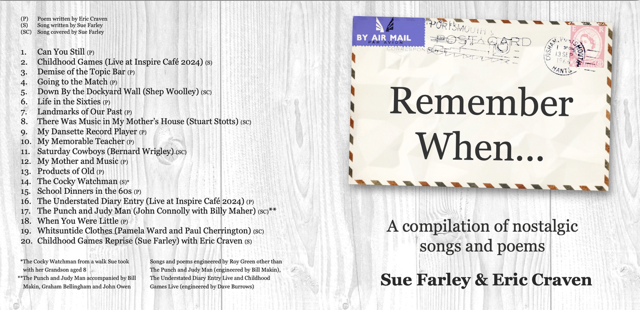
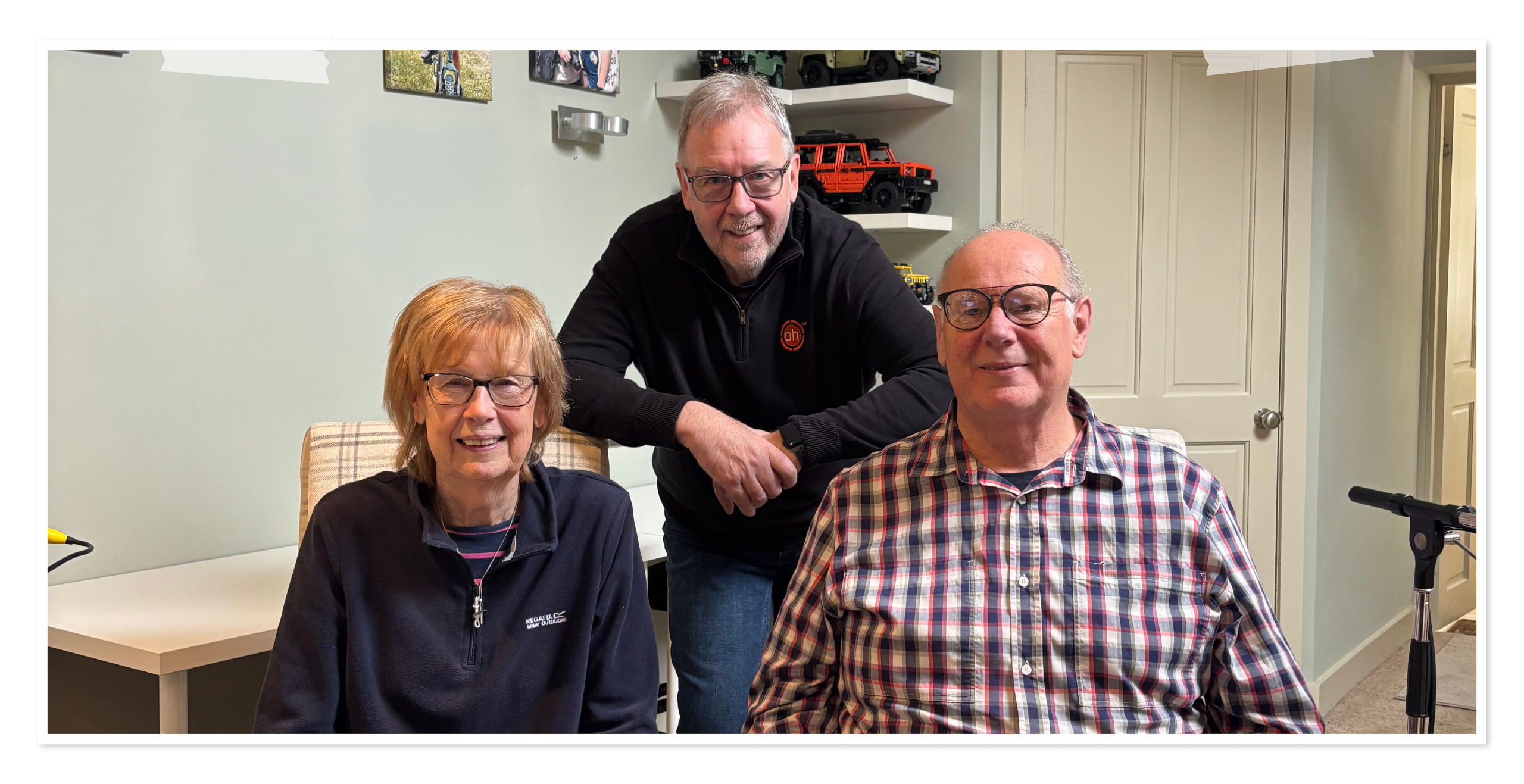
In this episode of Keep Folk Talking, Brian Jones is joined by songwriter Sue Farley and poet Eric Craven to explore the powerful connection between music and poetry. Together they reflect on their individual creative journeys, their shared love of storytelling and nostalgia, and the collaboration that led to two albums blending folk songs with spoken word. It’s a warm and engaging conversation about creativity, community, and the stories that shape us.
gallery
HIGHLIGHTS